01
Cooler cabin
Reduce solar heat
Performance window film can reduce the amount of solar energy entering through the glass, helping the cabin remain more comfortable in warm weather.
Automotive · Window tint · Paint protection · Auto glass
Precision film and glass work for daily drivers, performance cars and luxury vehicles. Skyline Reflections provides automotive window tinting, paint protection film and windshield repair and replacement from its Hamilton shop.
Film and coverage are selected for the actual vehicle rather than treated as a one-size-fits-all product — with precision installation, professional materials and a finish designed to look like it belongs on the car.
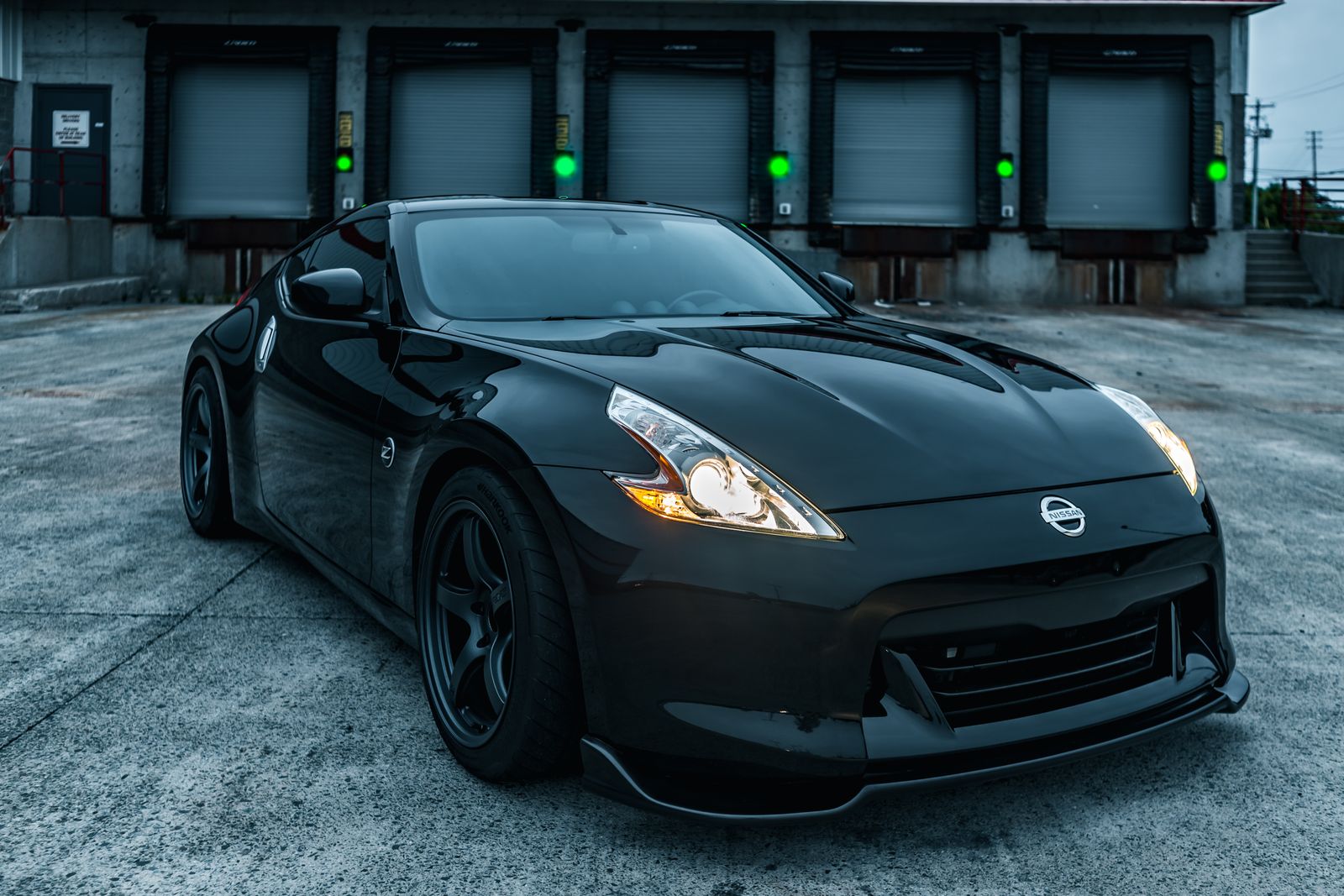
Automotive services
From the glass to the paint itself, Skyline's automotive services are built around protecting the vehicle while improving comfort, appearance and everyday usability.
01
Primary service
Reduce solar heat, glare and UV exposure while giving the vehicle a cleaner, more finished appearance.
Explore window tinting02
Protect high-impact painted surfaces from stone chips, road debris and everyday wear with transparent PPF.
Explore paint protection03
Address chips, cracks and damaged automotive glass before the problem becomes larger.
Explore auto glassAutomotive window tinting
Automotive window film is no longer only about making the glass darker. The right film can help control solar heat, reduce glare, block ultraviolet exposure and improve privacy while preserving a clean, integrated appearance.
Skyline recommends film according to the vehicle, desired appearance and performance objective, then installs it with the precision expected on a finished vehicle.
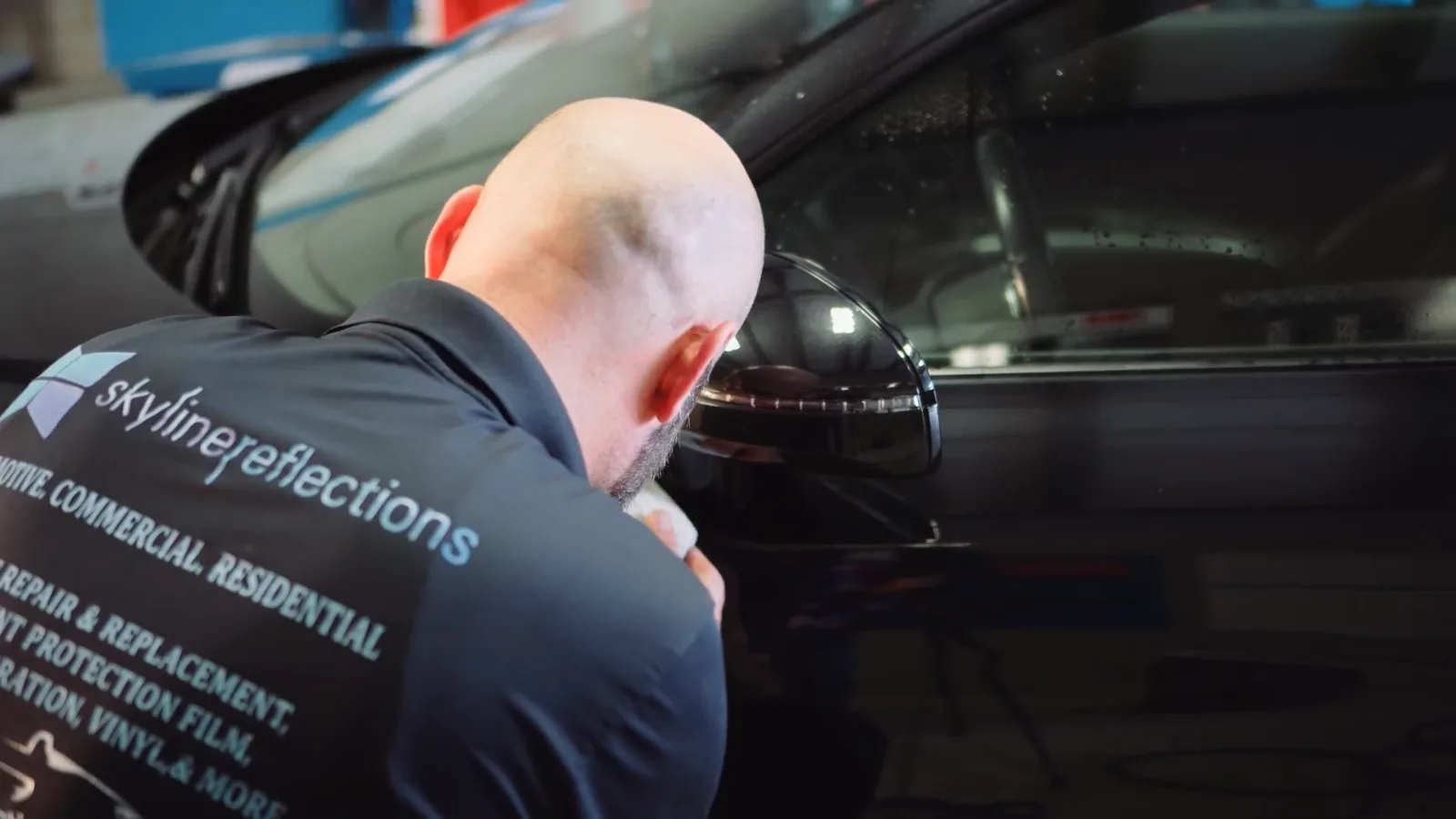
Why drivers install it
01
Cooler cabin
Performance window film can reduce the amount of solar energy entering through the glass, helping the cabin remain more comfortable in warm weather.
02
UV protection
Automotive film can reduce ultraviolet exposure that contributes to fading and deterioration of upholstery, trim and other interior materials.
03
Glare & comfort
The correct film can reduce uncomfortable brightness through side and rear glass while preserving usable outward visibility.
04
Privacy & appearance
Tint can add privacy and visually unify the vehicle's glass for a cleaner premium appearance.
Precision installation
Skyline uses computer-cut patterns sized for the vehicle so the film can be prepared with consistent edges and repeatable fit.
01
The specific make, model and year identify the glass shapes on the vehicle.
02
Each window is called up as a technical outline sized for that vehicle.
03
The plotter cuts the pattern from the selected film before it reaches the car.
04
The prepared film is positioned onto the matching window and worked to the glass.
Plotter-cutting helps reduce unnecessary hand trimming on the vehicle and supports a clean, controlled installation process.
Automotive film options
The correct automotive tint depends on how the driver wants the glass to perform as well as how the finished vehicle should look.
Carbon / crystalline
Current example: Edge Carbon Crystalline
A widely selected middle ground for drivers who want a clean, non-reflective look with meaningful everyday comfort improvement.
Relative positioning in the range
Colour-stable
Current example: 3M Color Stable Series
Selected where consistent appearance over time matters — a deep, stable charcoal tone rather than a film that shifts in colour.
Relative positioning in the range
Ceramic
Current example: Edge XP Ultra — Ceramic Film
Chosen where solar-heat and infrared comfort is the priority, particularly on vehicles with large glass areas or long daily drives.
Relative positioning in the range
Not sure which film? Skyline will recommend the appropriate option for the vehicle, the appearance you want and how the car is actually driven.
Film specifications vary by product and are confirmed from current manufacturer data at the time of quoting.
Ontario tint requirements
Ontario requirements address driver visibility and how tint affects the windows beside and ahead of the driver. Requirements can also vary according to the vehicle and window location.
Skyline can discuss appropriate options before installation so appearance and usable visibility are considered together.
Drivers remain responsible for ensuring their vehicle complies with applicable requirements.
Paint protection film
Paint protection film — commonly called PPF — is a transparent protective layer applied to high-impact painted surfaces to help reduce damage from stone chips, road debris, light abrasions and everyday exposure.
It allows the original paint colour and finish to remain visible while adding a sacrificial protective layer over the areas most likely to be damaged.
Skyline works with premium PPF systems including 3M and STEK products. Coverage, film system and preparation are confirmed for the specific vehicle.
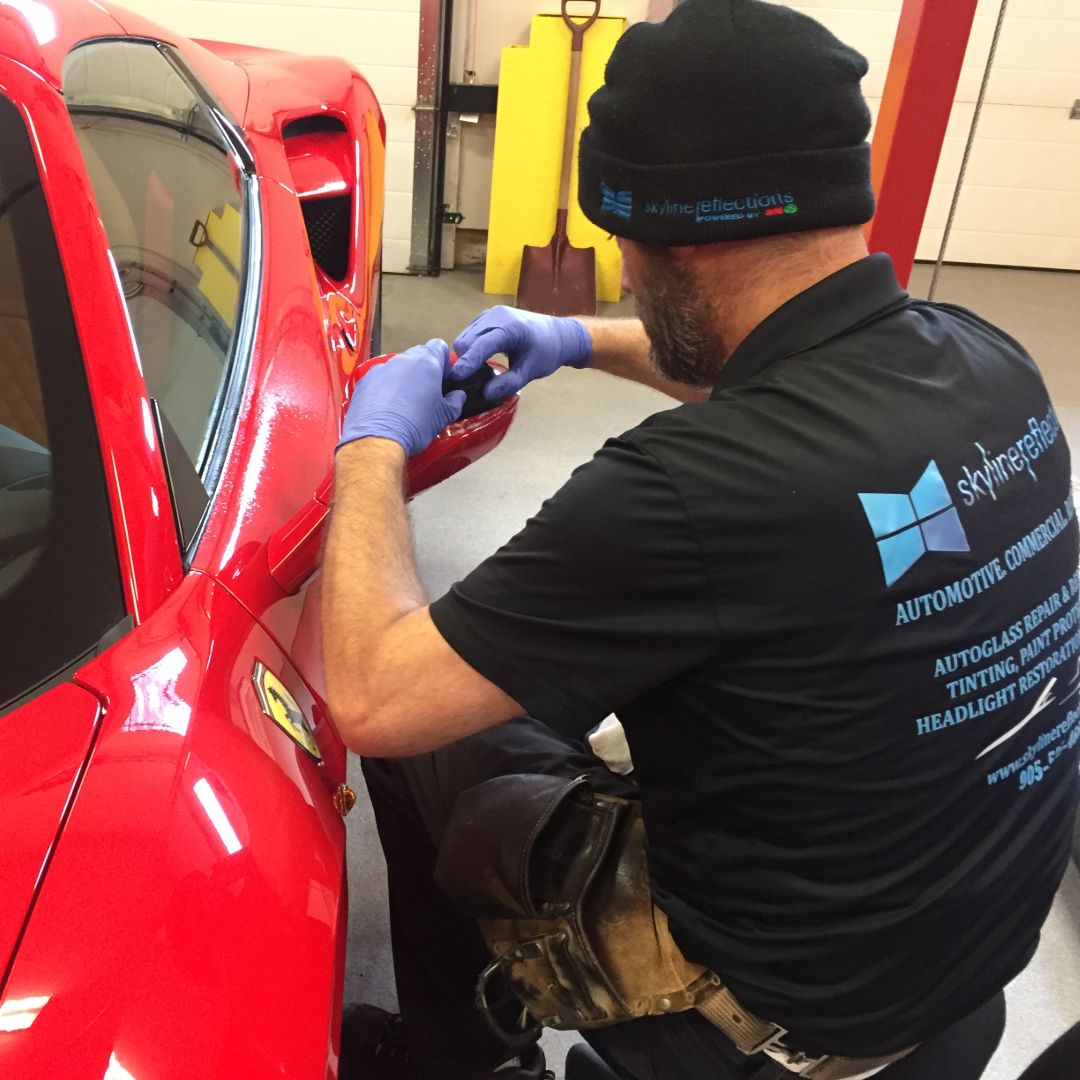
What PPF is for
01
Stone chips
Front-facing painted surfaces collect the most road debris. PPF is applied there to help reduce chipping from stones and highway grit.
02
Light abrasions
The film provides a replaceable layer over vulnerable painted areas, so everyday contact and washing marks meet the film first.
03
Original finish
Transparent film maintains the vehicle's original colour and painted appearance rather than changing the look of the car.
04
High-impact areas
Protection is applied where the vehicle actually needs it instead of automatically wrapping every panel.
PPF reduces the likelihood of certain damage. It does not make paint impossible to damage, and film performance varies by product and installation.
Coverage options
Select a coverage concept to see the areas it typically addresses. Package terminology is confirmed with Skyline before launch.
01 · Essential impact areas
Windshield & auto glass
Small windshield chips and certain cracks may be repairable before the damage spreads. When the glass cannot be safely repaired, replacement may be the appropriate solution.
Skyline evaluates the damage and vehicle before recommending repair or replacement.
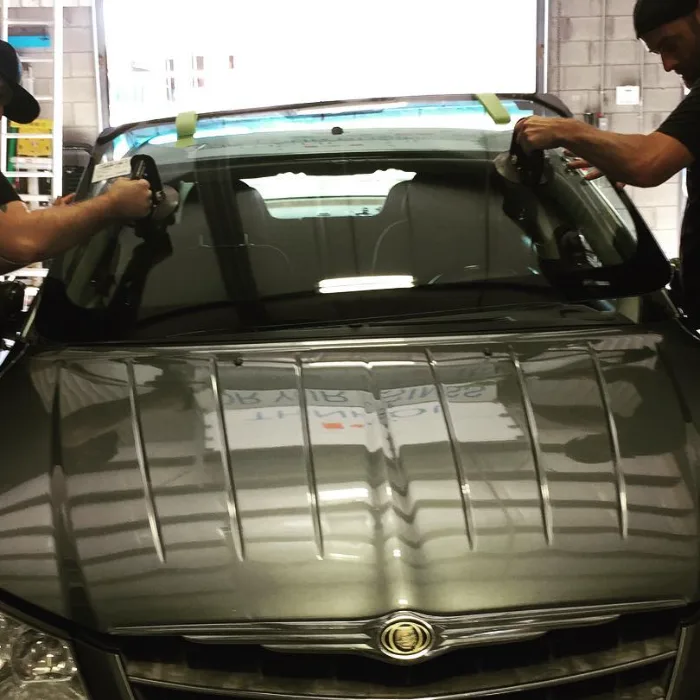
Repair or replacement
Suitable when the damage can be safely repaired.
Used where the damage, location or condition of the windshield makes repair inappropriate.
Whether a chip or crack can be repaired depends on its size, depth, location and the condition of the glass. Skyline assesses the specific damage rather than applying a universal rule.
Many newer vehicles use cameras or sensors positioned around the windshield. When glass is replaced, the vehicle's specific equipment and any applicable calibration requirements need to be considered.
Skyline will identify relevant vehicle equipment and advise what additional calibration requirements may apply.
Automotive-glass coverage varies by policy and deductible. Customers should confirm their coverage with their insurer.
Skyline can provide service information and quotations needed for the claim process.
How it works
01
Vehicle make, model, year and requested service.
02
Skyline identifies the appropriate tint, PPF coverage or auto-glass solution.
03
Pricing is confirmed according to the vehicle, selected material and scope.
04
The vehicle is prepared and the selected work is completed using the appropriate installation process.
05
The finished installation is inspected and relevant care and warranty information is explained.
Automotive pricing
QUOTED
FOR THE
VEHICLE.
Automotive pricing depends on the vehicle and the work being completed.
Send the vehicle details and the service you are considering and Skyline will confirm scope and pricing for that vehicle.
Real Skyline work
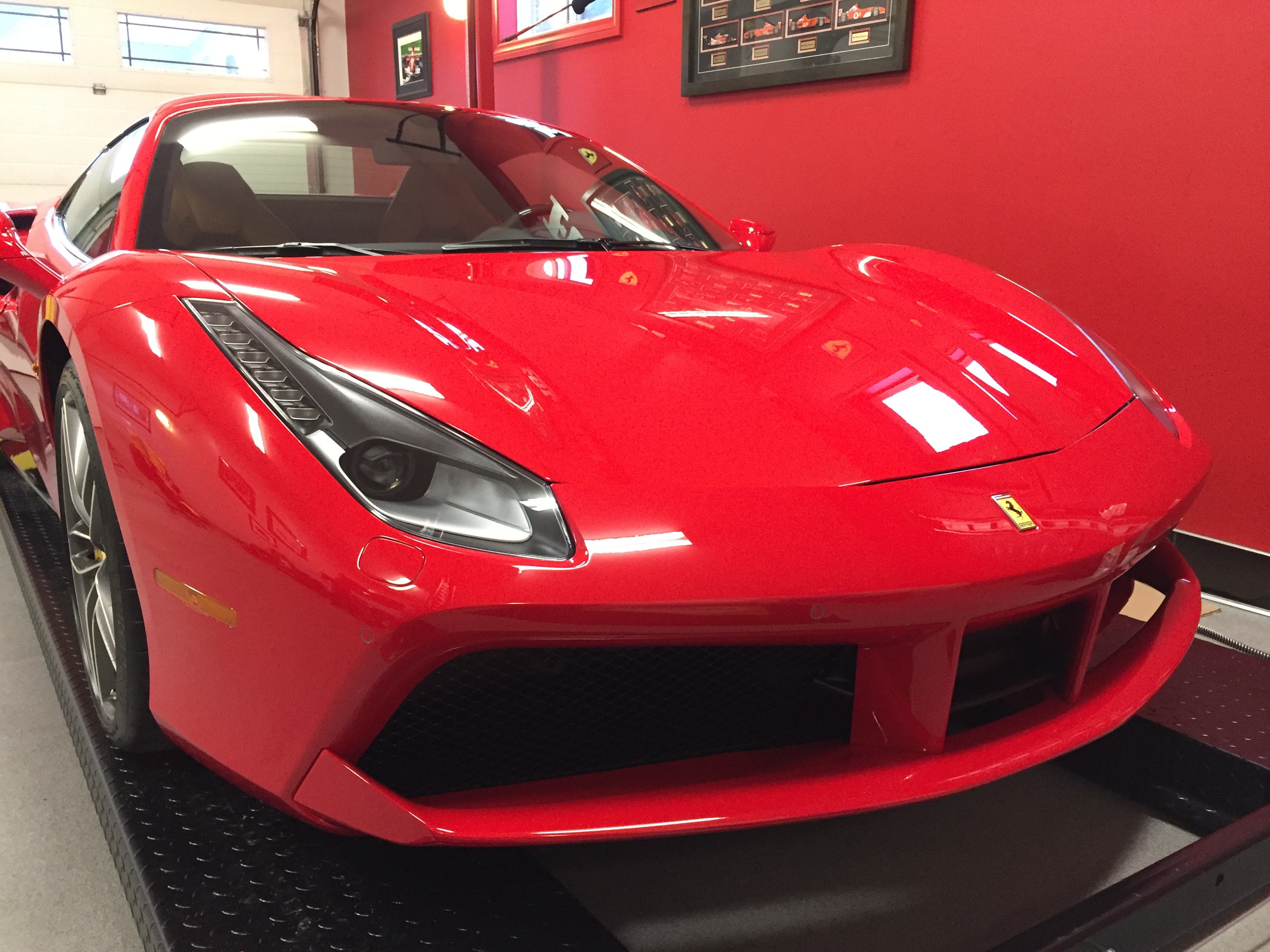
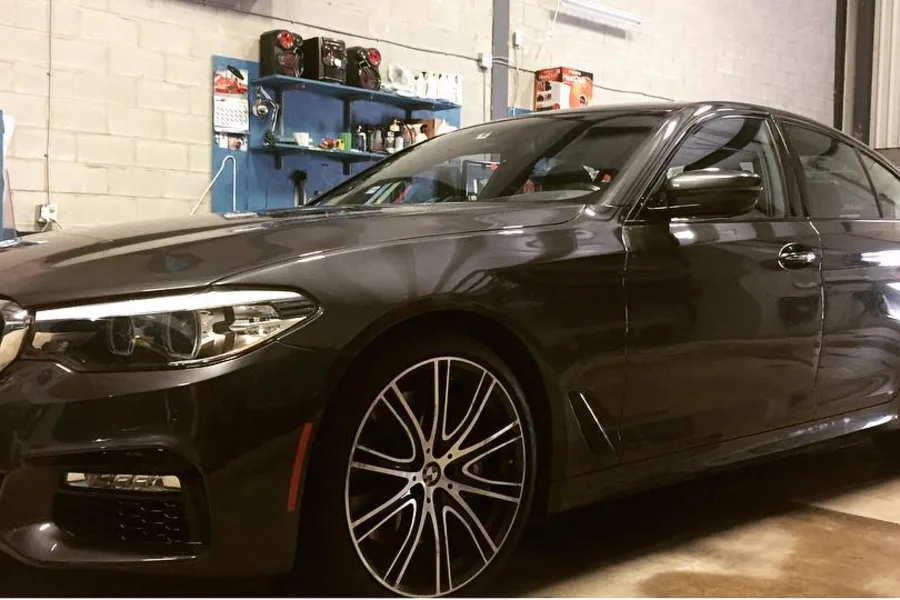
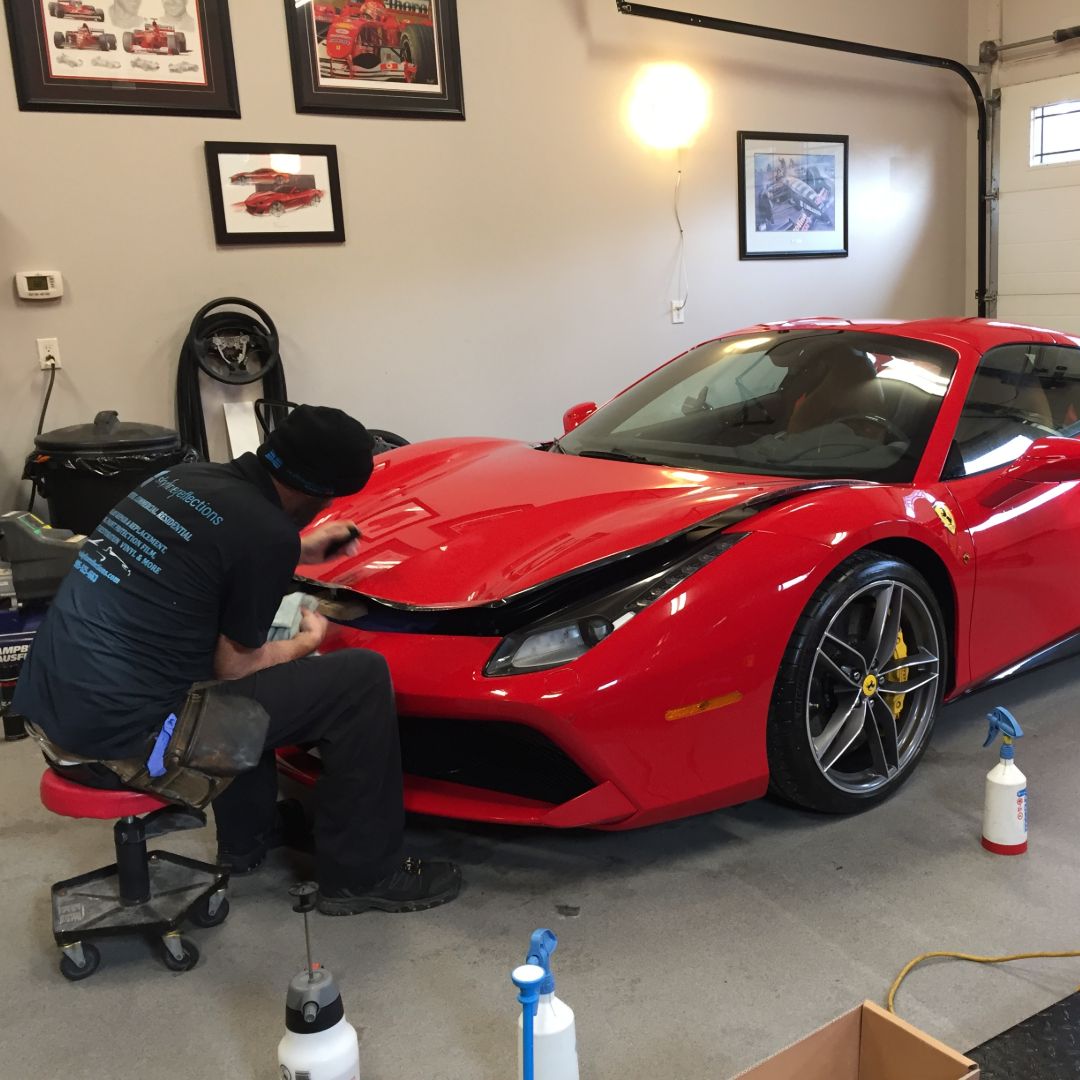
Photographs show automotive work completed by Skyline Reflections. Service, film and coverage vary by vehicle and are confirmed with each customer.
Why Skyline Reflections
Skyline Reflections is a 3M Certified Installer with long-standing experience in automotive film installation.
4.9 ★
Hundreds of customer experiences support Skyline's reputation in Hamilton and the surrounding area.
Vehicle-specific tint patterns support repeatable fit and help reduce unnecessary trimming on the vehicle.
Multiple film systems allow the installation to be selected according to appearance, comfort and performance requirements.
Window tinting, PPF and automotive glass are handled as specialized vehicle services rather than generic add-ons.
Automotive work is completed from Skyline's Hamilton location with a direct local point of accountability.
Automotive quote
Send Skyline the vehicle information and service you're considering. The team can confirm the next step and provide the information needed for a quote.
Automotive FAQ
Window tinting
Car window tinting is quoted per vehicle. The price depends on the vehicle, how many windows are being treated, the shape and access of that glass, the film selected and whether existing film has to be removed first. Send Skyline the year, make and model and the team will confirm pricing for that car.
Skyline installs professional automotive film families including carbon and crystalline films, colour-stable film and ceramic film. The current examples on this page are Edge Carbon Crystalline, the 3M Color Stable Series and Edge XP Ultra ceramic film. The right one depends on the appearance you want and how the vehicle is driven.
Ceramic window tint uses ceramic particles rather than metal or dye to manage solar energy. It is generally positioned as a higher-performance film for heat and infrared comfort, and it is available in lighter shades where a dark look is not wanted.
It depends on what you want from the glass. Drivers who care most about cabin comfort, long commutes or large glass areas usually notice the difference; drivers who mainly want appearance may be well served by a carbon or colour-stable film. Skyline will explain the practical difference for your vehicle before you choose.
Service life varies by film product, installation and how the vehicle is used and cared for. Professional automotive films are designed to last for years, and warranty terms differ between products — Skyline confirms the applicable warranty for the film you select.
Installation time depends on the vehicle, the number of windows and whether old film must be removed. Skyline confirms the expected time when the appointment is booked so you know whether to wait or leave the vehicle.
Ontario requirements address driver visibility and treat the windows beside and ahead of the driver differently from rear glass, and requirements can vary with the vehicle and window location. Rather than publishing a single percentage, Skyline discusses appropriate options for your vehicle before installation. Drivers remain responsible for ensuring their vehicle complies with applicable requirements.
Bubbling and peeling are usually associated with older film, low-quality product or poor installation. Professional film installed on properly prepared glass is not expected to bubble; if a defect does appear, the applicable product warranty is the route to address it.
Newly installed film needs time to dry before the windows are operated. Skyline gives you the specific waiting period for the film installed on your vehicle at handover, along with the rest of the care information.
Yes. Existing film can be removed, and removal is quoted as part of the work because effort varies with the age and condition of the old film and any adhesive left on the glass.
Performance window film can reduce the amount of solar energy entering through the glass, which helps the cabin stay more comfortable in warm weather. How much difference you notice depends on the film selected and the vehicle's glass area.
Automotive film can reduce ultraviolet exposure through the treated glass, which contributes to fading and deterioration of upholstery and trim. Exact UV performance varies by product and is confirmed from current manufacturer data.
Paint protection film
Paint protection film, or PPF, is a transparent protective layer applied over painted surfaces. It acts as a sacrificial layer that helps reduce damage from stone chips, road debris, light abrasions and everyday exposure while leaving the original paint visible.
It is most worthwhile on the surfaces that actually collect damage — the front end of a new or freshly painted vehicle, or a car that sees a lot of highway driving. Skyline will recommend coverage based on the vehicle and how it is driven rather than defaulting to the largest package.
The most common areas are the front bumper, hood, front fenders and mirrors, because they take the most impact. Rocker panels, door edges and rear arches are often added where the owner wants more coverage.
PPF is designed to help reduce chipping from stones and road debris on the areas it covers. It does not make paint impossible to damage, and a severe impact can still affect the panel underneath.
Service life varies by film product, coverage area, exposure and care. Manufacturer warranty terms differ between products, so Skyline confirms the terms for the specific film system selected instead of quoting a single figure for all PPF.
PPF is designed to be removable. Removal should be handled properly, and the condition of the paint and how long the film has been in place are considered before it is taken off.
PPF is transparent and is intended to keep the original paint colour and finish visible. Different products have different finishes — for example gloss or matte — so the finish is selected deliberately.
No. Many vehicles are best served by protecting the high-impact areas rather than every panel. Full coverage is an option, not a requirement, and Skyline will explain what each level of coverage actually addresses.
Windshield & auto glass
Some cracks can be repaired and others cannot. It depends on the length, depth, location and age of the damage and the condition of the glass. Skyline assesses the specific damage before recommending repair or replacement rather than applying a universal rule.
Often, yes — addressing an eligible chip early is usually the point at which repair is still possible. Once damage spreads, replacement becomes more likely, so it is worth having the chip looked at promptly.
Skyline evaluates the damage and the vehicle. Small, eligible chips and certain limited cracks may be repairable; damage in the driver's critical viewing area, longer cracks or damage at the edge of the glass more often calls for replacement.
A chip repair is normally a short appointment, but the time depends on the damage and the vehicle. Skyline confirms the expected time when the appointment is booked.
Replacement takes longer than repair and also includes safe curing time before the vehicle should be driven. The vehicle's specific glass, trim and equipment affect the schedule, which Skyline confirms in advance.
Automotive-glass coverage varies by policy and deductible. Customers should confirm their coverage with their insurer. Skyline can provide the service information and quotations needed for the claim process.
Many newer vehicles have cameras or sensors positioned around the windshield, and those systems may have calibration requirements when glass is replaced. Skyline will identify relevant vehicle equipment and advise what additional calibration requirements may apply.
Hamilton automotive studio
395 Anchor Rd Unit 37
Hamilton, Ontario
Skyline serves drivers from Hamilton and surrounding communities including Burlington, Ancaster, Stoney Creek, Dundas, Waterdown, Grimsby, Oakville and Binbrook.