Residential window film · Hamilton & surrounding areas

Residential window tinting for Hamilton homes

Reduce summer heat, glare and UV exposure without replacing the windows you already have. Skyline Reflections installs residential window film for living rooms, bedrooms, home offices, patio doors and other sun-exposed glass throughout Hamilton and surrounding communities.

Film is selected for the actual glazing, the room and the problem you want to solve — whether that is heat, glare, UV exposure or additional daytime privacy.

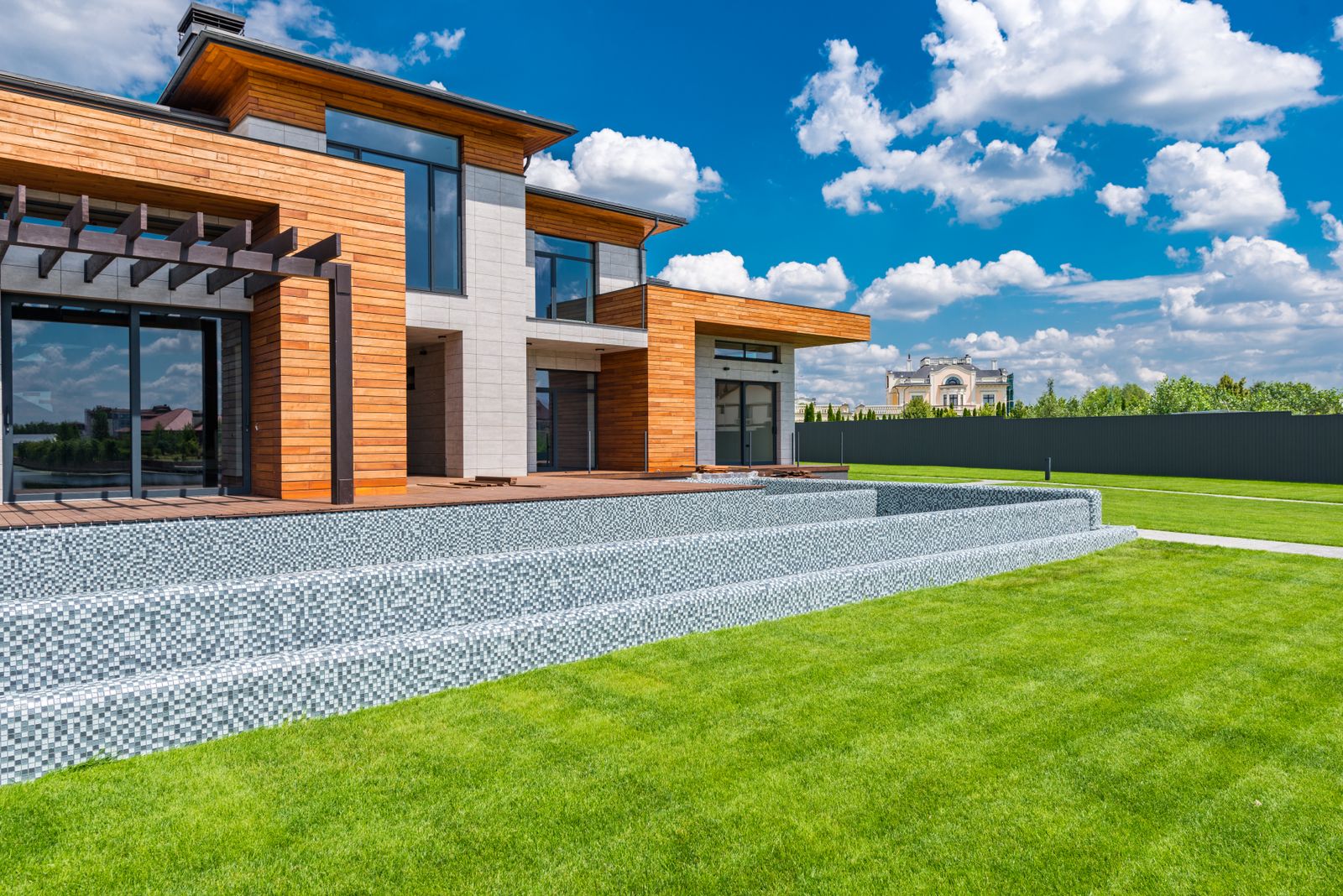
Contemporary two-storey home with large dark-framed glazing and timber cladding, seen across a sunlit lawn

What residential film does

What does residential window film do?

Residential window film changes how solar energy, glare, ultraviolet light and visibility behave at your existing glass without requiring the windows themselves to be replaced.

Depending on the film selected, it can reduce solar heat, reduce glare, block a substantial amount of ultraviolet exposure and provide additional daytime privacy.

That can make sun-facing living rooms, bedrooms, home offices and other areas more comfortable while helping reduce UV exposure to flooring, furniture, artwork and interior finishes.

The goal is not to make every window dark. Skyline Reflections measures and identifies the glazing first, then recommends a film that balances performance, visible light and appearance for the room.

  • PriceFrom approximately $10 / sq. ft. installed
  • MeasureFree on-site measurement
  • AreaHamilton & surrounding communities
  • WarrantyLifetime against bubbling & peeling, subject to Skyline's published warranty terms
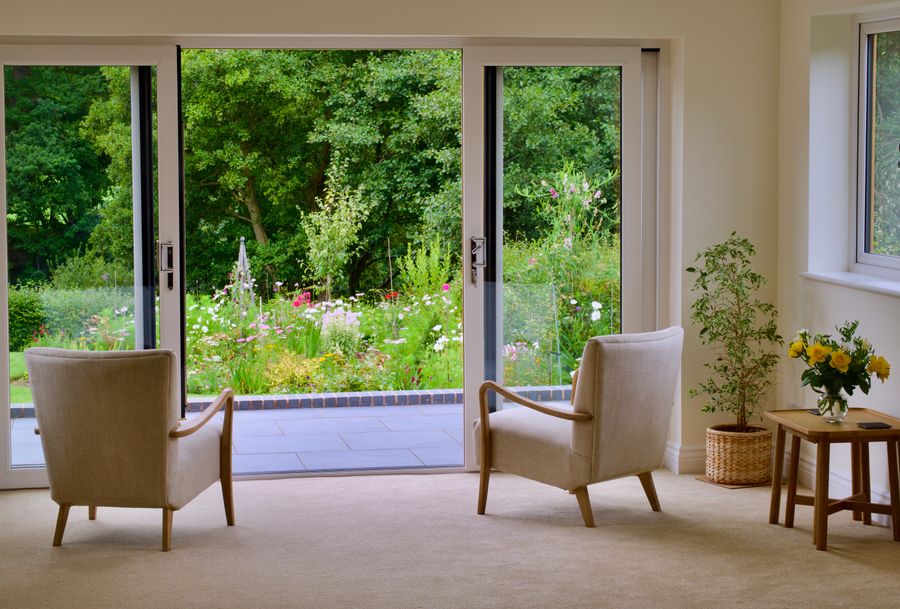
Sunlit living area with two armchairs facing a large sliding glass door open to a green garden
Daylight arriving through large residential glazing — the light stays, the heat and UV are what film addresses.

Why homeowners install it

Keep the daylight. Control what comes with it.

01

Reduce heat in sun-facing rooms

Large south- and west-facing windows can make living rooms, bedrooms and upper floors uncomfortable during warmer months. Solar-control window film reduces the amount of solar energy entering through treated glass, helping the room remain more comfortable while keeping the existing windows in place.

Exact performance depends on the film and glazing, so Skyline specifies the product after seeing the glass rather than promising one universal percentage.

02

Reduce glare without living behind blinds

Direct sun can create glare on televisions, computer screens and seating areas during parts of the day. Residential window tinting can reduce that glare while allowing the room to continue benefiting from natural daylight.

03

Help protect interiors from UV exposure

Ultraviolet exposure contributes to fading in flooring, furniture, artwork, fabrics and other interior finishes. Residential films are available with strong UV protection to reduce UV passing through treated glass.

04

Add daytime privacy without closing the room

Suitable privacy films can reduce visibility into exposed residential glass during daylight while allowing occupants to continue using natural light.

Privacy performance depends on lighting conditions and the selected film, so Skyline recommends the solution based on how the room is actually used.

Keep the windows you have

Too much sun does not mean you need new windows.

The right residential window film can address heat, glare, UV exposure and privacy while keeping the existing glass and the daylight that makes the room feel open.

SUN GLASS + FILM INTERIOR

Where homeowners use it

Window film for the rooms that get too much sun.

Residential film is most useful where large or exposed glazing is creating a specific comfort, glare, UV or privacy problem.

A single home can have different glass, exposure and privacy needs — each area is assessed separately.

Living rooms

Control afternoon heat and glare around large windows while preserving the openness and daylight of the room.

Bedrooms

Reduce solar heat in sun-facing and upper-level bedrooms that become uncomfortable during the day.

Home offices

Reduce glare on monitors while retaining useful natural light.

Patio & sliding doors

Treat large areas of glass that contribute significant solar heat and UV exposure.

Sunrooms & large window areas

Improve comfort in rooms designed around substantial glazing.

Entry & privacy glass

Use suitable privacy or decorative film where visibility through doors, sidelights or exposed ground-floor glass is the primary concern.

Film options

Which residential window film is right for your home?

The best film depends on the window, the room and the problem you want to solve. Skyline identifies the glazing first, then recommends the appropriate balance of solar control, visible light, appearance and privacy.

Different windows in the same home may need different solutions. Glass construction, exposure and the desired appearance are considered before the film is selected.

One window. The film is selected for the room and the problem.

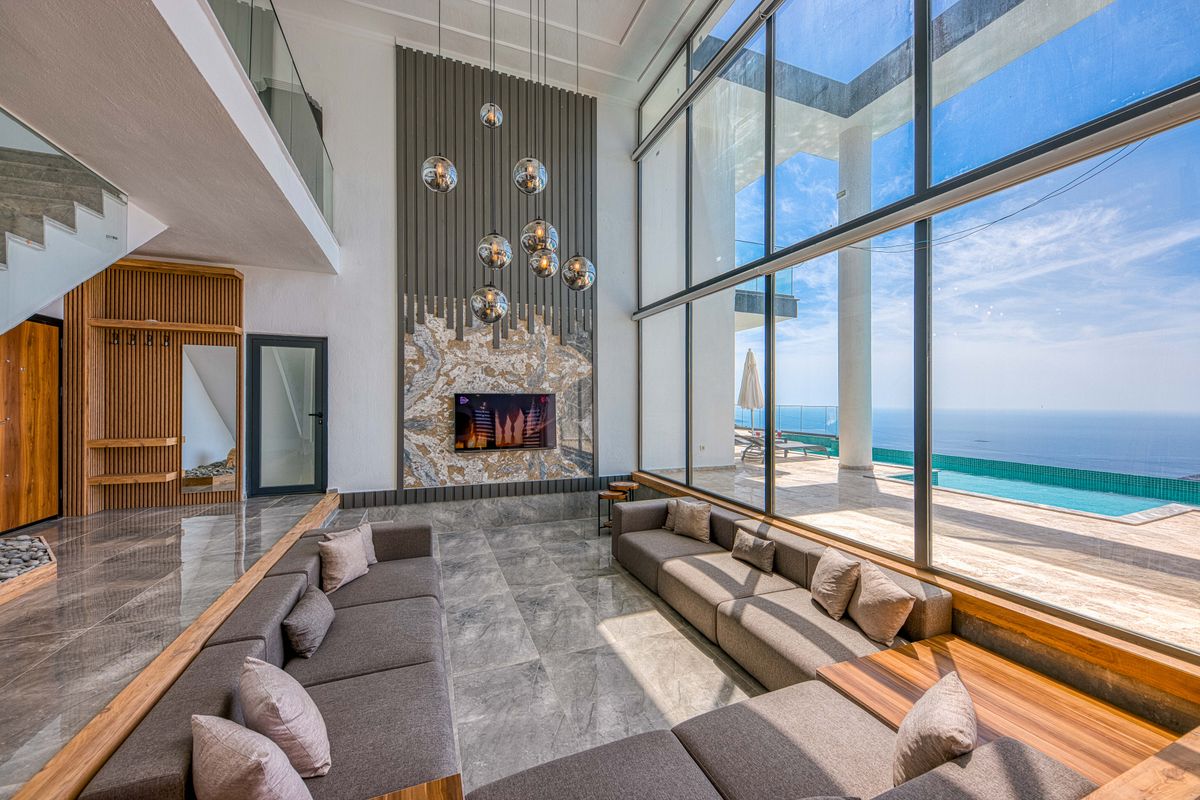
Calm contemporary living space with full-height residential glazing along one wall and a neutral stone and timber palette
Residential film types, what each addresses and where it is typically used.
Film type What it addresses Common application
Solar / heat control Solar heat and glare Sun-facing living rooms, bedrooms, patio doors and large windows
Neutral / low-reflective Heat and UV with a more natural appearance Homes where maintaining subtle glass appearance and daylight matters
Privacy / reflective Daytime visibility through exterior glass Ground-floor rooms and exposed windows
Frosted / decorative Privacy while preserving diffuse daylight Entry doors, sidelights, bathrooms and privacy-focused glazing
UV-focused film Ultraviolet exposure / fading contribution Rooms containing artwork, furniture, flooring and valuable interiors

Does reflective window film provide privacy at night?

Not reliably. Reflective privacy film works best when the outside of the glass is brighter than the inside. At night, when interior lights are on, the privacy effect may be reduced or reversed.

If nighttime privacy is important, Skyline can recommend other options based on the room and glass.

DAY NIGHT

How it works

From your windows to the right film.

  1. 01

    Free home measure

    Skyline visits the property to inspect the actual windows and understand which rooms are creating the problem.

  2. 02

    Glass identification

    The glazing is checked before film is recommended.

    Film compatibility matters with insulated, double-pane, Low-E and other glazing configurations.

  3. 03

    Film recommendation

    Skyline recommends film based on the glass, sun exposure, desired appearance and whether the priority is heat, glare, UV or privacy.

  4. 04

    Written quote

    The homeowner receives clear pricing based on the measured glass and selected film.

  5. 05

    Installation

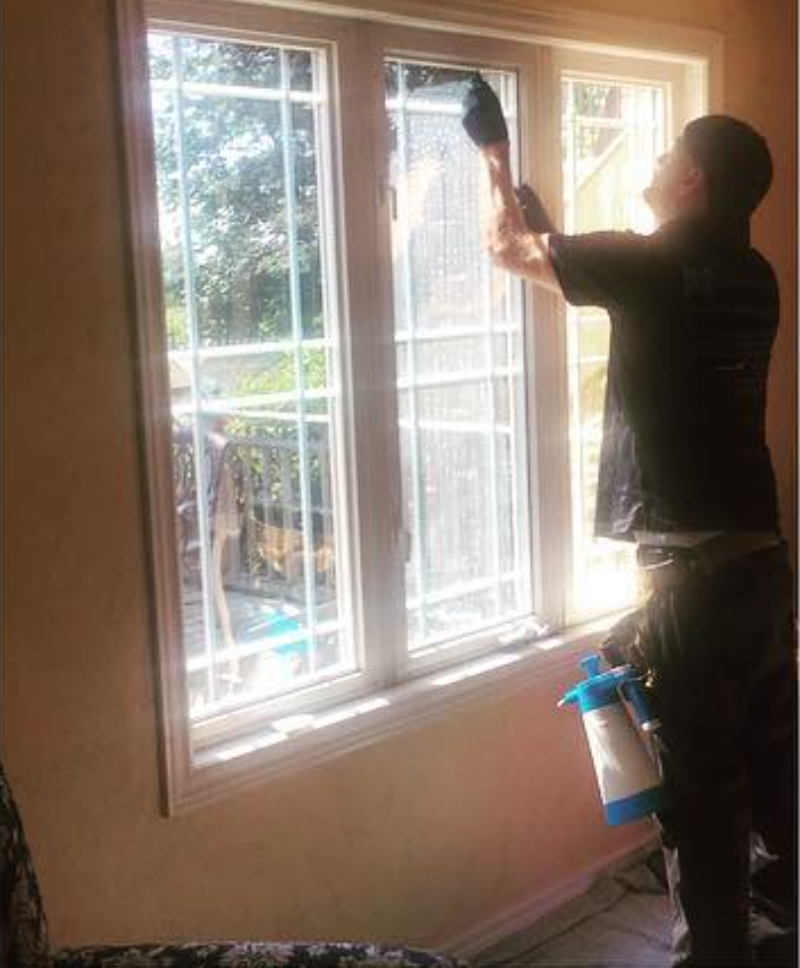
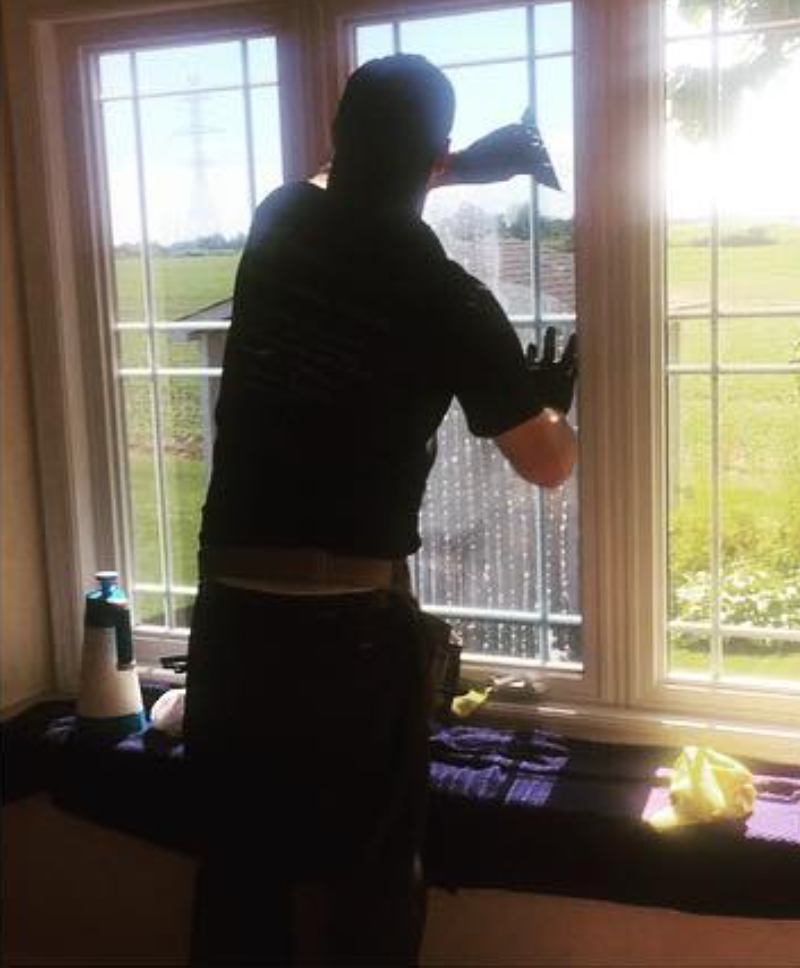
    The glass is prepared and the film is installed on the appropriate glass surface.

    The windows remain in place — this is not a window-replacement or construction project.

  6. 06

    Warranty

    Applicable Skyline installations are covered according to Skyline's published warranty terms against bubbling, peeling and delamination.
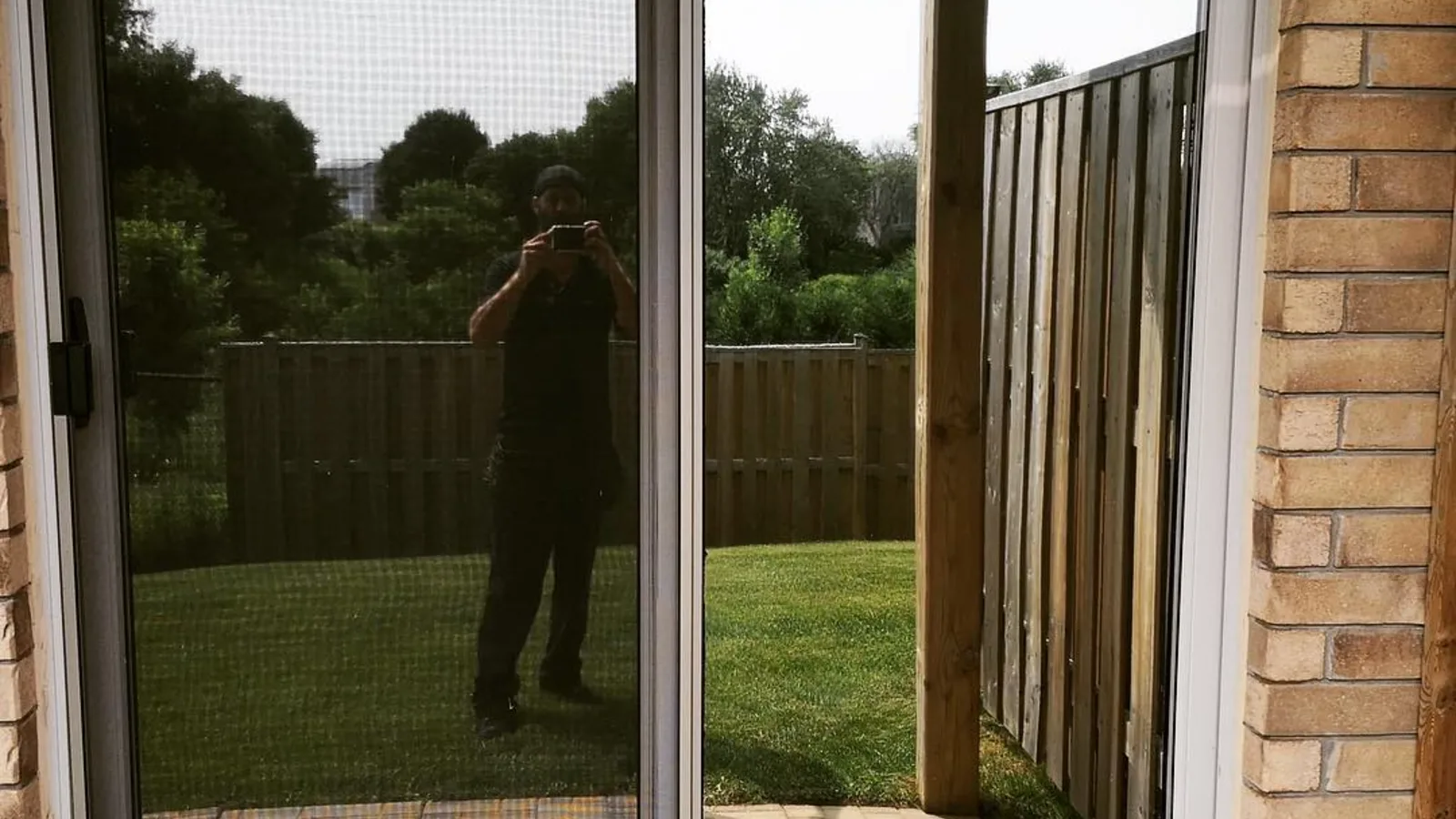
Residential sliding patio door framed by brick, looking out onto a fenced back lawn after film installation
Residential glazing treated while the existing windows remain in place.

Residential window film cost

$10

per sq. ft. from

Installed starting point

Residential window film can start around $10 per square foot installed.

Final pricing depends on:

  • Film selected
  • Glazing type
  • Number and size of windows
  • Total treated glass area
  • Access
  • Existing film or removal requirements where applicable
  • Installation conditions

Skyline measures the windows before providing the final quote. Publishing a starting point gives homeowners useful cost context before arranging the visit.

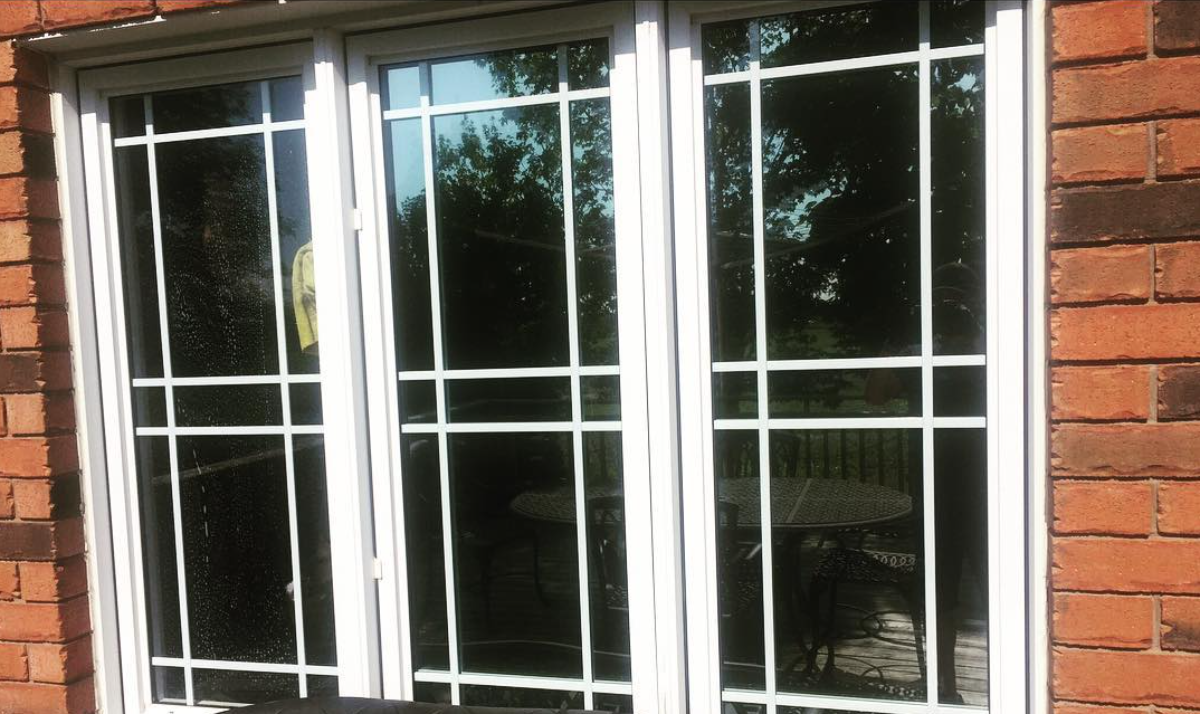
Real Skyline work

Residential window film by Skyline Reflections.

See more Skyline projects →

Why Skyline Reflections

Window film for your home, specified and installed with precision.

3M Certified

Skyline Reflections is a 3M Certified Installer with long-standing film-installation experience.

4.9

466+ Google reviews

Skyline's local reputation has been built across hundreds of customer experiences in Hamilton and the surrounding area.

Owner-operated

Skyline Reflections is an owner-operated Hamilton business with a local team responsible for the work.

Film selected for the glass

The film is recommended after the glazing, exposure and application are identified rather than using one product for every home.

Lifetime warranty

Applicable installations are backed according to Skyline's published warranty terms against bubbling and peeling.
Free on-site measure

Skyline measures the actual windows before final film selection and pricing.

Free home measure

Tell us about your windows.

Send the basics and Skyline will contact you to arrange a measurement and determine which film is appropriate for the glass and the room.

  • ResponseUsually within one business day
  • CostOn-site measure is free
  • Or call905-525-4663
Where is the glass? Select all that apply
Primary concern Select all that apply

Drag files here or browse. JPG, JPEG, PNG or HEIC.

Fields marked required are required. Skyline will contact you about your request.

Residential window film FAQ

Questions homeowners ask before tinting their windows.

How much does home window tinting cost?

Residential window film can start around $10 per square foot installed. Final pricing depends on the film, glazing, number and size of windows, treated area, access and installation conditions. Skyline provides the final quote after measuring the windows.

Does home window tint reduce heat?

Yes. Heat-control window film can reduce the amount of solar energy entering through treated glass, helping make sun-facing rooms more comfortable. Exact performance depends on the glass and film selected.

Will residential window film make my home too dark?

Not necessarily. Residential films are available with different visible-light levels, including options that reduce heat and UV exposure while maintaining a relatively natural amount of daylight. Skyline recommends the film based on both performance and how you want the room to look.

Can you tint double-pane home windows?

Often, yes, but the film must be compatible with the specific glazing. Insulated, Low-E and multi-pane windows can respond differently to solar absorption, which is why Skyline identifies the glass before recommending a film.

Does home window film go on the inside or outside?

Many residential films are installed on an interior glass surface, but the correct installation surface depends on the product, glazing and application. Skyline confirms the appropriate system when the film is selected.

Does reflective window film provide privacy at night?

Not reliably. Reflective privacy works best when it is brighter outside than inside. At night, illuminated interiors can become more visible from outside, so another solution may be better where nighttime privacy is required.

Does window film protect furniture and flooring from fading?

Window film can substantially reduce ultraviolet exposure through treated glass, helping reduce one contributor to fading. Visible light, heat and the materials themselves can also affect fading, so film should not be described as eliminating fading completely.

Can window film be installed on patio and sliding doors?

Yes, suitable film can often be installed on large patio and sliding-door glazing after the glass is identified and measured. These large glass areas are common locations for heat, glare and UV problems.

How long does residential window film installation take?

Installation time depends on the amount of glass, window size, access and film selected. Smaller residential projects may be completed in one visit, while larger multi-room installations can require additional time. Skyline confirms the expected schedule after the windows are measured.

How long does residential window film last?

Professional architectural window film is designed for long-term use when correctly specified and installed. Actual service life depends on the product, glazing and exposure. Applicable Skyline installations are backed according to the published warranty terms.

Can residential window film be removed later?

Yes. Professional window film can generally be removed from suitable glass without replacing the window itself. Removal should be performed carefully to protect the glazing and surrounding finishes.

Service area

Residential window tinting across Hamilton and surrounding communities.

Skyline Reflections provides residential window film installation and free on-site measurements throughout Hamilton and surrounding communities, including Burlington, Ancaster, Stoney Creek, Dundas, Waterdown, Grimsby, Oakville and Binbrook.

  • Hamilton
  • Burlington
  • Ancaster
  • Stoney Creek
  • Dundas
  • Waterdown
  • Grimsby
  • Oakville
  • Binbrook

Make the room more comfortable without replacing the windows.

Book a free on-site measure and Skyline will recommend the film for the actual glass and the problem you want to solve.

Call Text